

Utah Deer & Elk Hunting Season Dates
Every fall, thousands of hunters across Utah start planning their season weeks before the opener, checking maps, getting their license, and deciding whether they're going with a bow, a muzzleloader, or a rifle. If you're one of them (or thinking about becoming one for the first time), here's everything you need to know about the official dates, which weapon applies to which season, and how to get ready to head out.

How Utah's Deer Season Works
Utah's buck deer season isn't a single date, it's split into three windows depending on the weapon you use, and each one draws a different kind of hunter.
Archery season opens first, running August 15 through September 11. It's the favorite for hunters who'd rather be out before the terrain fills up with more people, which generally means more time in the field with less competition for the same deer. Next comes muzzleloader season, September 23 through October 1, a shorter window for hunters who prefer that more traditional style of hunting. Finally, the busiest season of all: any legal weapon (rifle), October 17 through 25, when most of the state's hunters head out.
If you're hunting in one of the extended archery units, you get access to longer windows (through October 15 or November 30, depending on the unit), but you'll need to have completed the required ethics course to qualify.
How Utah's Elk Season Works
Bull elk has its own calendar, more fragmented than deer season because it depends on permit type (any-bull vs. spike-bull) as well as weapon.
Archery season also opens August 15, running through September 16 for any-bull permits, or through September 4 for spike-bull. October is the big month for rifle: there's an early window (October 3-9) and a late window (October 10-16) for any-bull, while spike-bull with any legal weapon runs October 3-15. Hunters who prefer muzzleloader have their own window at the end of the season, October 28 through November 5.
If it's your first time elk hunting in Utah, it's worth understanding this any-bull vs. spike-bull distinction before you buy your permit, it determines not just when you can go out, but what kind of elk you can legally take.
Before You Go: License and Hunter Education
Nobody can buy a big game permit in Utah without first having their basic license squared away. For resident adults it costs $40; for non-residents, $144. If you're also planning to fish, the combination license runs $44 (resident) or $190 (non-resident), worth it if you're going to be spending several days in the field either way.
One thing a lot of first-time hunters don't know: if you were born after December 31, 1965, Utah requires you to have completed a hunter education course before you can buy your license. The good news is the state accepts certifications from any IHEA member state, so if you already took the course somewhere else, you don't have to retake it.
Prep the Vehicle, Not Just the Rifle
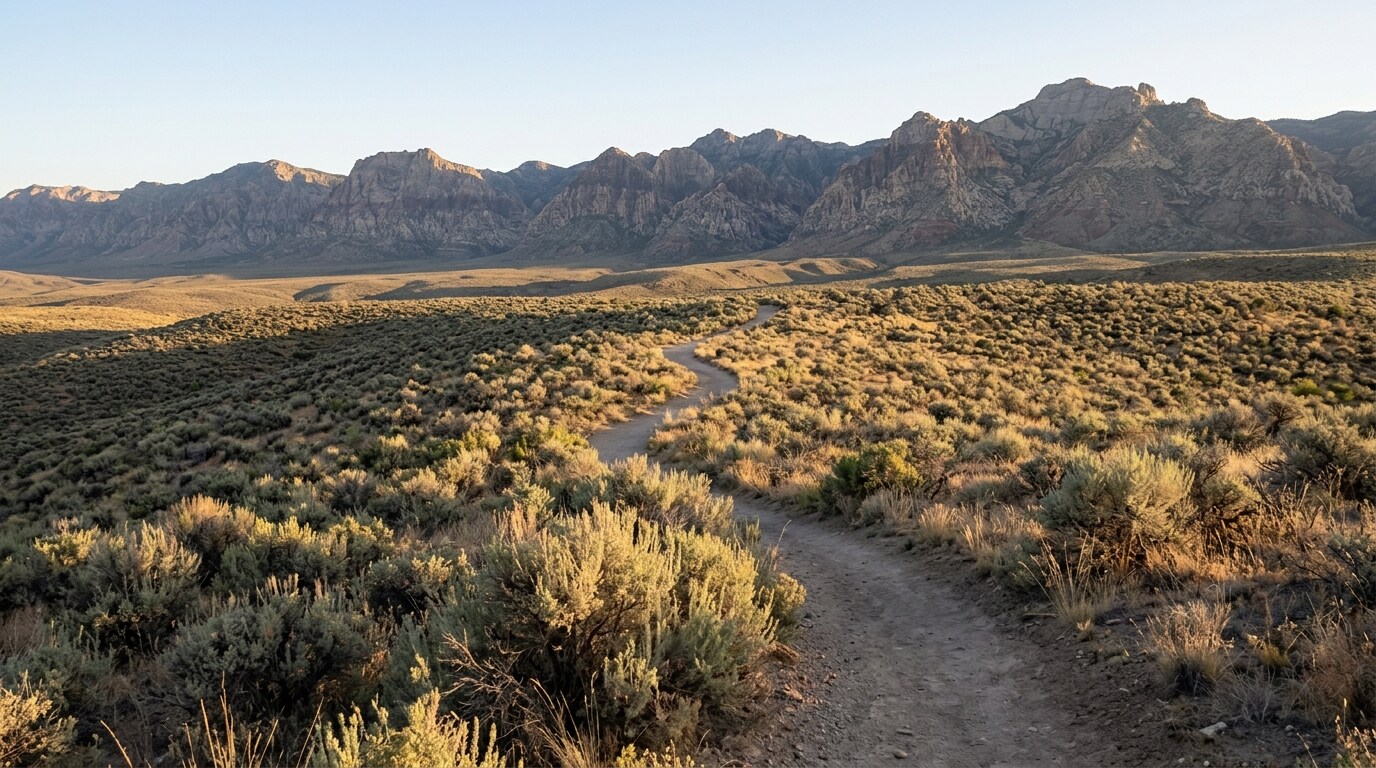
One part of prep that most hunting guides leave out: the vehicle. A good number of Utah's best hunting spots are at the end of dirt roads, rocky terrain, or unpaved backcountry, not the kind of road where you want to discover halfway through your trip that your vehicle doesn't have the traction it needs.
If you're considering upgrading your vehicle before the season, both the Outlander Sport and the Eclipse Cross from Mitsubishi are available with all-wheel drive (AWD), built to handle both the highway and rough terrain on your way to and from your hunting spot. At Southtowne Mitsubishi you can schedule a test drive or check out what's currently available on the lot before the season opens.
FAQ
When does deer season start in Utah?
Archery season starts August 15. Any legal weapon (rifle) season runs October 17 through 25.
When does elk season start in Utah?
Also August 15 for archery. Rifle dates vary by permit type, but run mainly in October, with muzzleloader from October 28 through November 5.
How much does a hunting license cost in Utah?
$40 for resident adults, $144 for non-resident adults. A combination hunting and fishing license costs $44 (resident) or $190 (non-resident).
Do I need a hunter education course?
Yes, if you were born after December 31, 1965. Utah accepts certifications from any IHEA member state.
Where do I buy my permit?
Online, at any DWR office, or through an authorized license agent.
This article is for general information only. Hunting dates and rules can change, always check the most current information directly at wildlife.utah.gov before planning your trip.
